
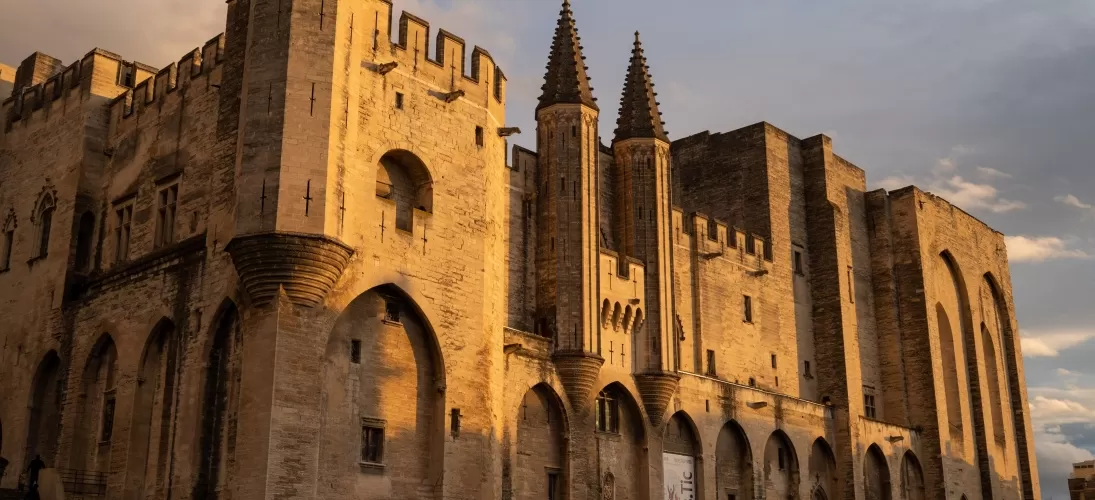
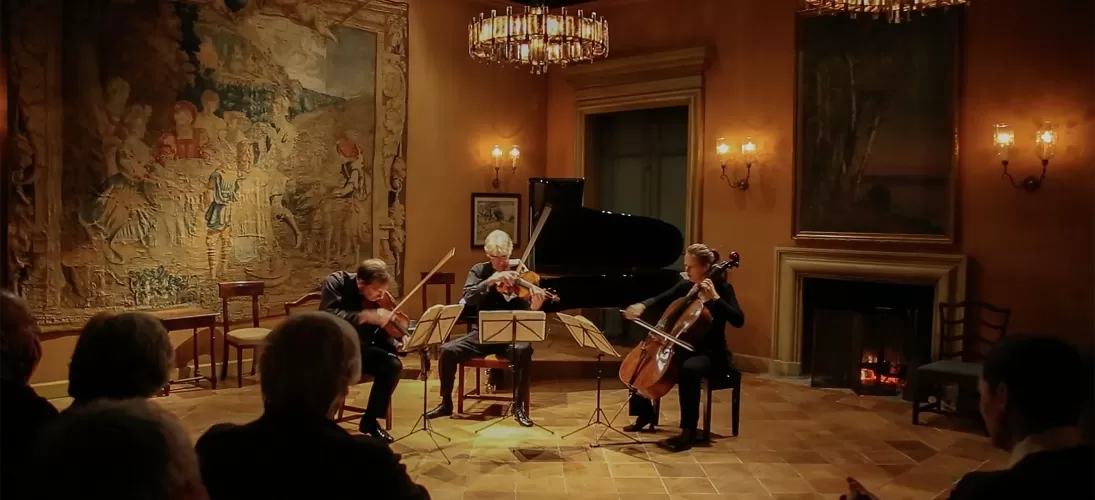


From the days of the Avignon Papacy to the present, La Mirande has remained one of the city's landmarks, a living heritage that inspires the imagination.
1309
The Residence of a Cardinal
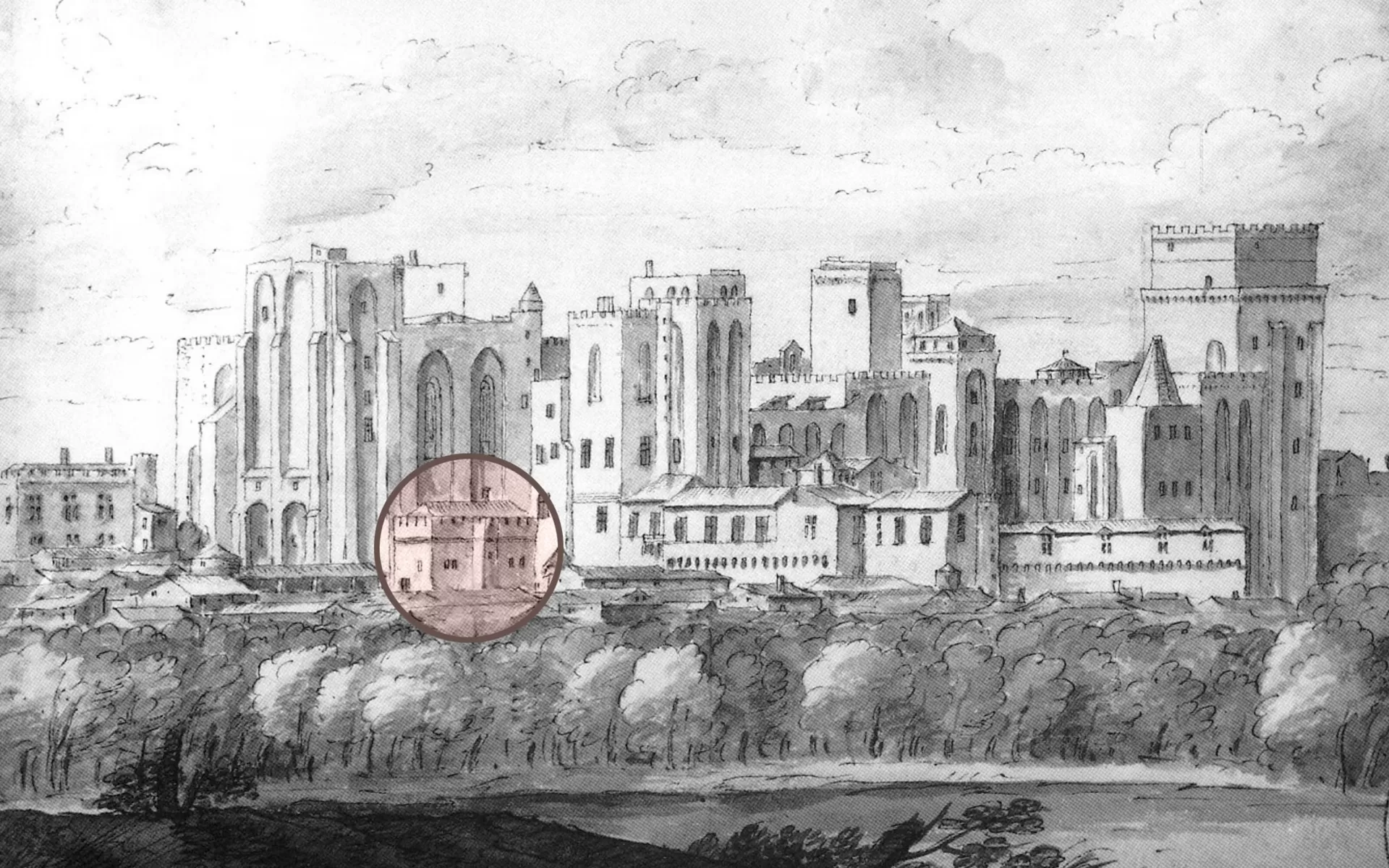
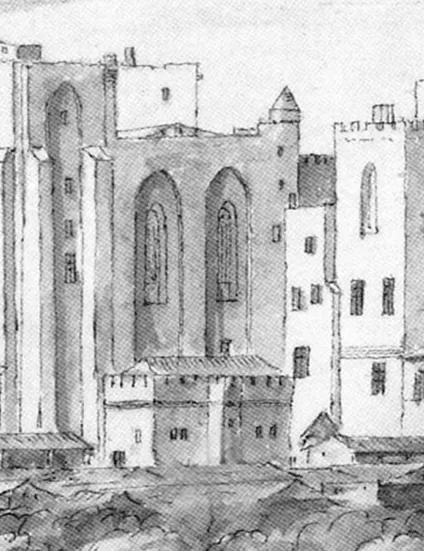
When the popes settled in Avignon, the cardinals accompanying Pope Clement V established their own residences throughout the city. Cardinal de Pellegrue, the Pope's nephew, built his residence, known as a livrée, on a prime site beside the Palais des Papes. It remained in the hands of successive cardinals, including Hugues Roger and Hugues de Saint-Martial, until the siege of 1410, during which the palace was partially destroyed by fire.
1653
The Classical Façade
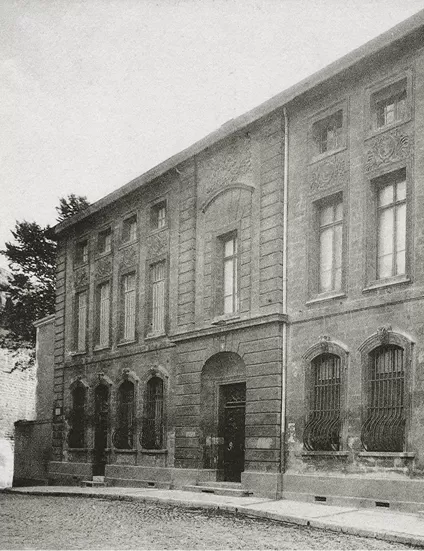
The residence was sold to Claude de Vervins, a lawyer. After his death, his son Pierre, Marquis of Bédouin, commissioned the façade we admire today, a masterpiece of Classical architecture designed by Pierre Mignard, an architect from the family of painters who served King Louis XIV.
1796
The Hôtel Pamard
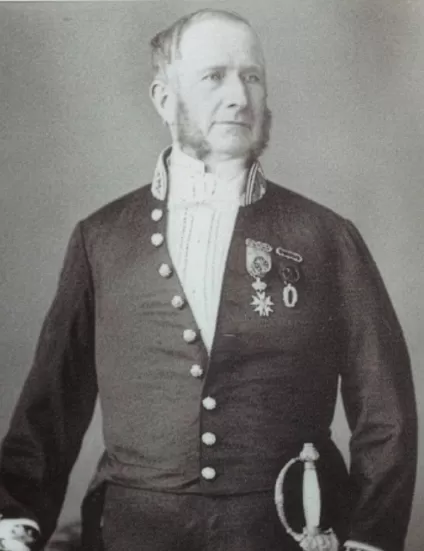
The Vervins family remained in residence until the property was sold to Jean-Baptiste Bénézet-Pamard. Renamed the Hôtel Pamard, it remained for two centuries in the hands of one of Avignon's most distinguished families, close to Napoleon III, and was transformed into a sombre Neo-Gothic residence inspired by the style of Viollet-le-Duc.
1966
A Cinematic Setting
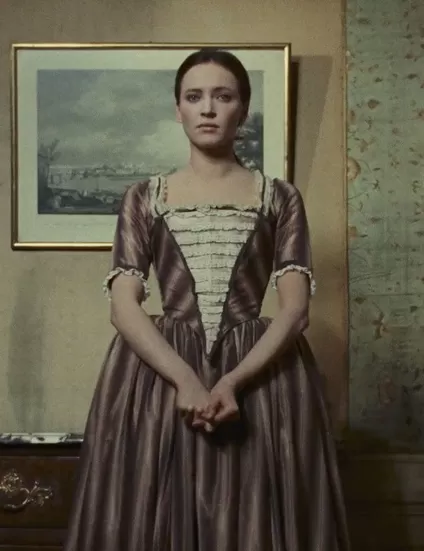
As these grand townhouses entered their twilight years, the property became the backdrop for Jacques Rivette's La Religieuse, adapted from Denis Diderot's novel. Anna Karina delivered one of her finest performances in a film that sparked a major controversy, reaching the highest levels of the French government.
1987
A New Beginning
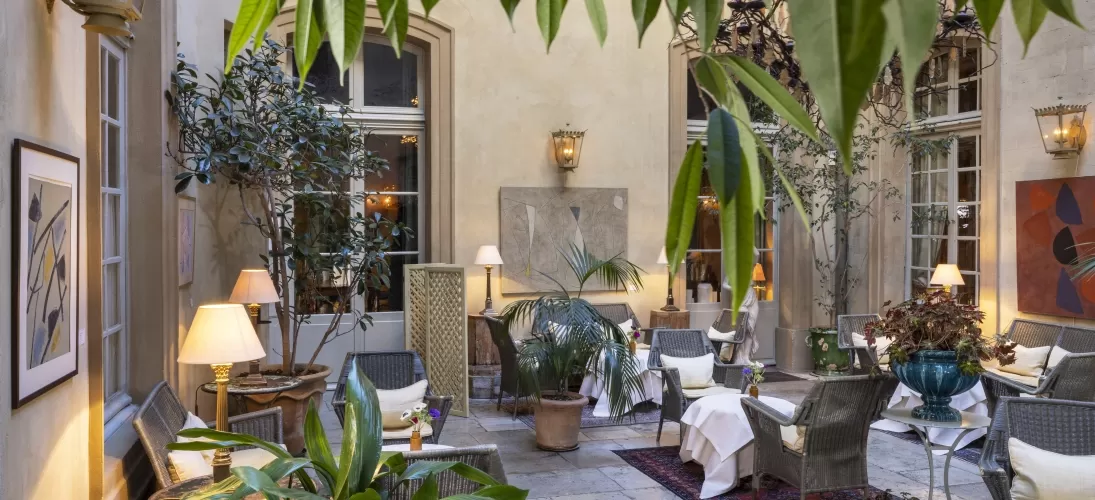
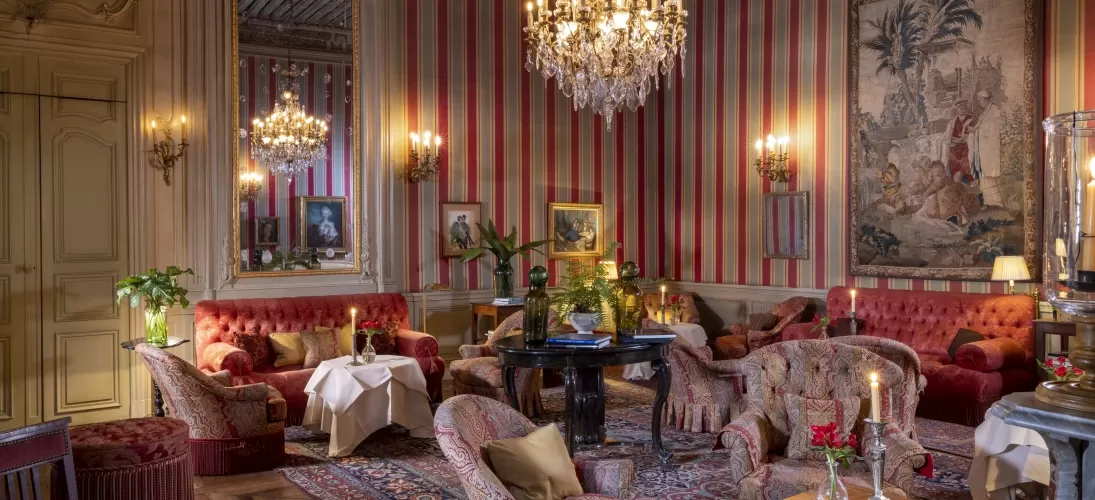
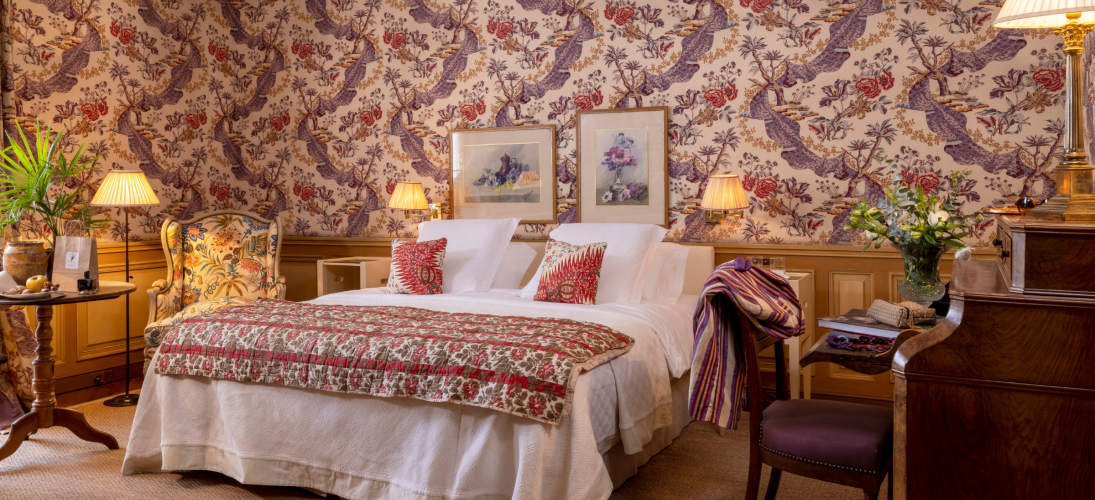
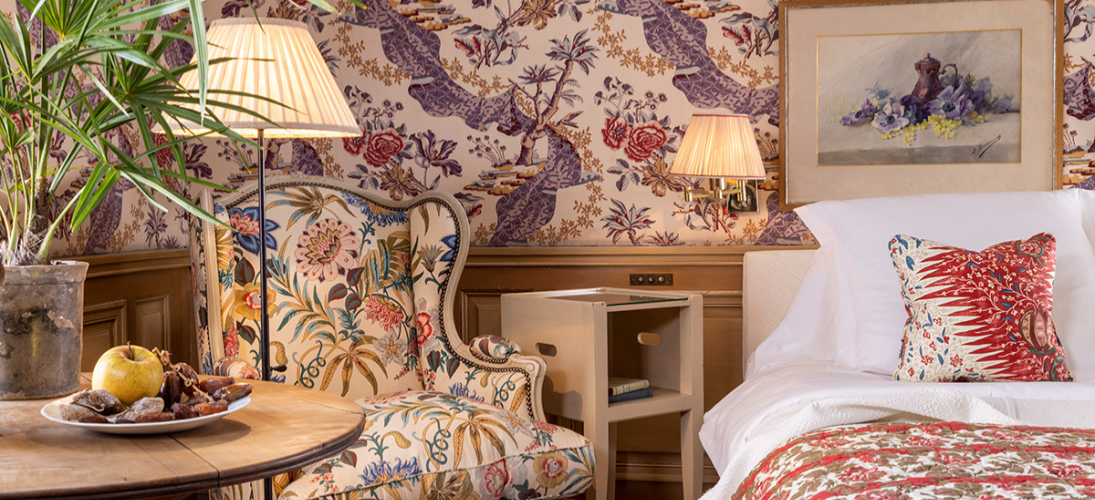
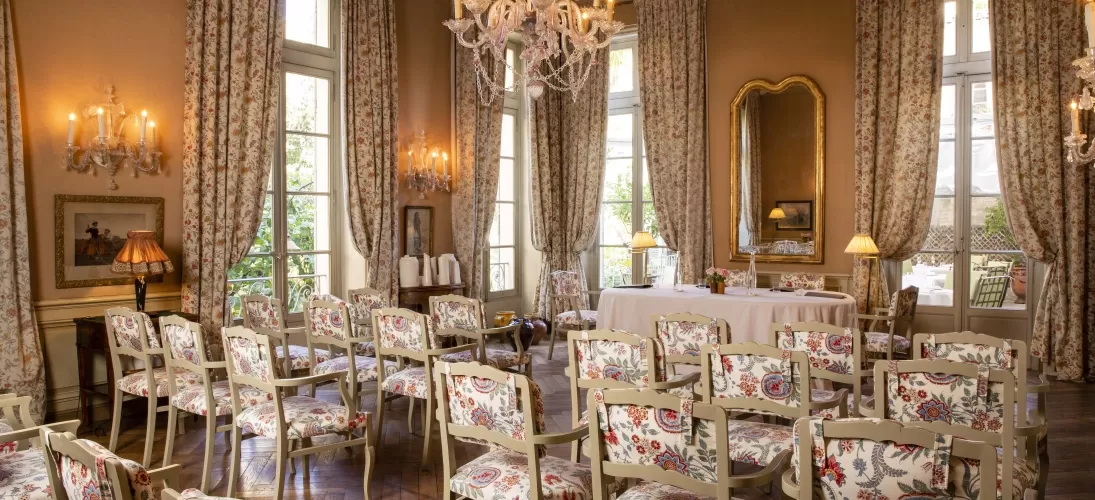
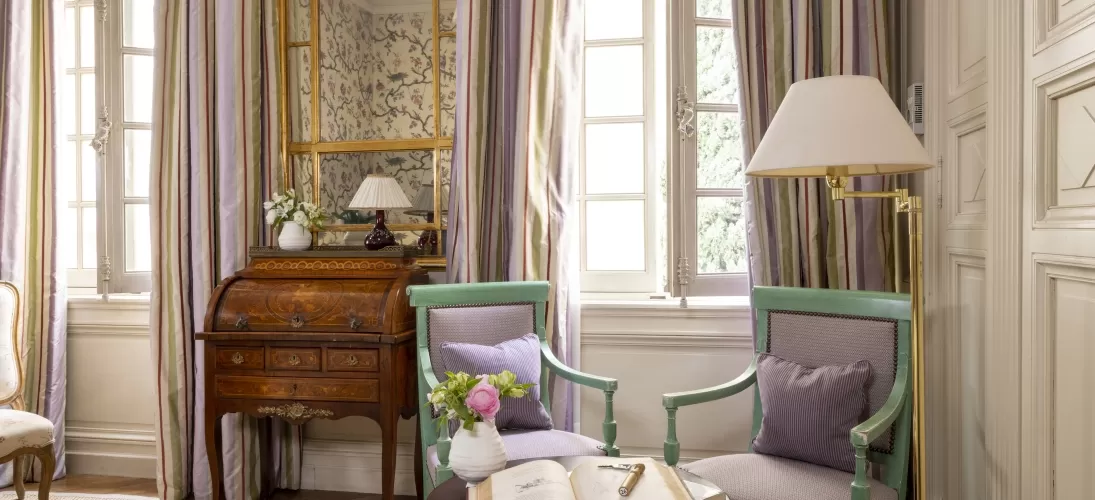
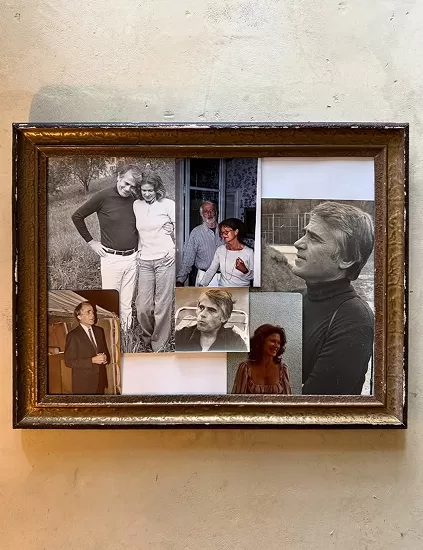
The Stein family discovered the building, then dark and secluded, and set out to restore its soul. Over the course of three years, working alongside interior designer François-Joseph Graf and architect Gilles Grégoire, they succeeded in blending the styles of the 18th and 19th centuries into a remarkably harmonious whole, creating the illusion of a home whose décor has evolved naturally over the past three centuries.
La Mirande,
named after an
admirable hall
The hotel takes its name from the great ceremonial hall of the Palais des Papes, where dukes and princes were once received. Its memory lives on in Place de la Mirande, derived from the former Amirande, meaning "the admirable hall."